If you are reading this because you feel a heaviness that coffee cannot shake, or because your digestion has become a noisy and sluggish process, you have likely thought about “starting from scratch”. But there is a fundamental difference between cleaning a room and simply stopping making a mess while you try to tidy it up.
By Ehab Soltan
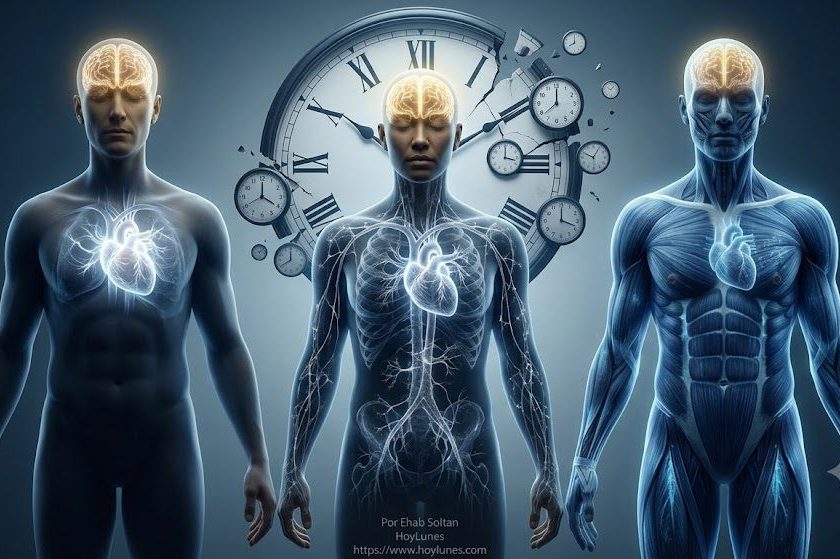
HoyLunes — The idea that the body is a filter that gets dirty and requires “external maintenance” is, from a biological standpoint, an incomplete interpretation. We are not a combustion engine that accumulates carbon buildup; we are a dynamic system in constant regulation that self-regulates every second.
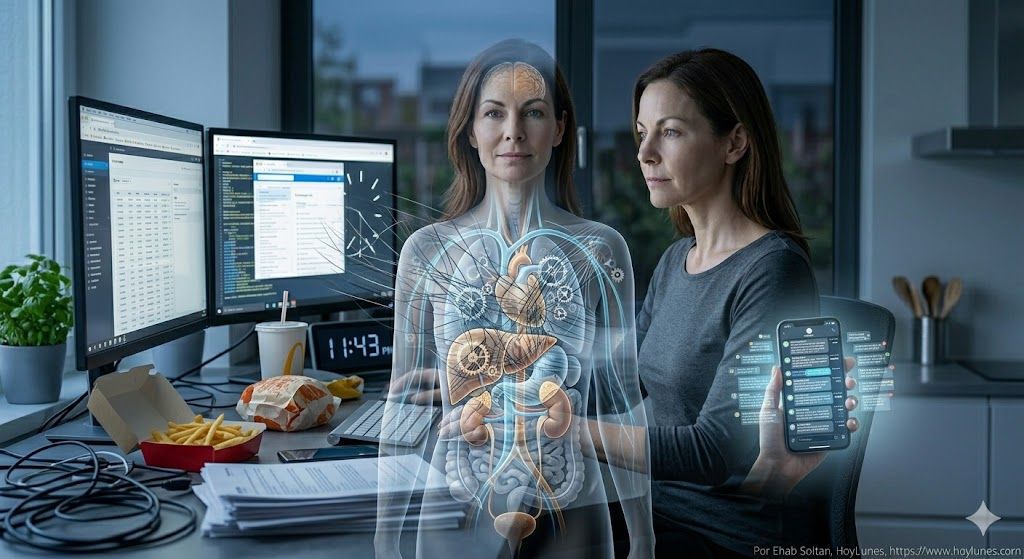
The problem is not that your organs have forgotten how to work. The problem is that you have forced them to operate under a constant friction that you yourself generate.
The Sophistication of Silence
Human physiology does not wait for external instructions to eliminate what it does not need. Homeostasis is the state of equilibrium that your body defends with constant precision.
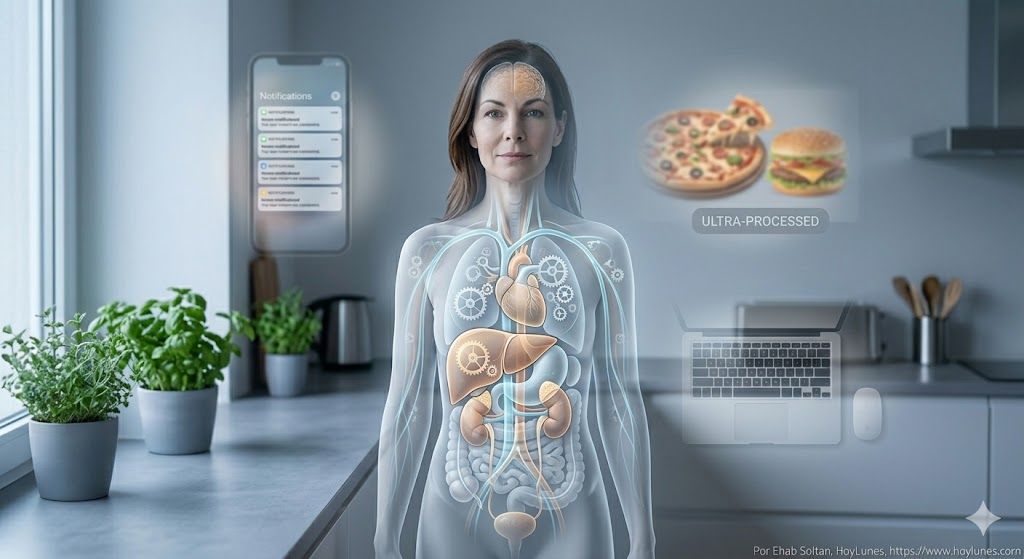
To achieve this, you possess an elimination infrastructure that no industry could replicate:
The Hepatic Phase: The liver is not a strainer; it is a chemical laboratory. It performs processes of oxidation, reduction, and hydrolysis (Phase I) and conjugation (Phase II) to convert fat-soluble compounds into water-soluble ones. Without these processes, many everyday substances could not be eliminated effectively.
Glomerular Filtration: Your kidneys process approximately 180 liters of plasma per day. They do not just filter “toxins”, but maintain electrolyte balance and blood pH—a variable that, if it fluctuates even minimally, can compromise critical functions of the nervous system.
The Glymphatic System: This is the “detox” that no one talks about. During deep sleep, the space between neurons increases, allowing cerebrospinal fluid to wash away metabolic waste products from the brain, such as amyloid-beta protein.
When you say you “need a detox”, what you are actually describing is a reduction in the efficiency of these systems as they attempt to operate under constant interference.

The Science of Metabolic Interference
Current research does not support the use of juices or supplements to improve purification. What it does support, with consistent evidence, is how certain stimuli block natural efficiency.
Studies published in journals such as The Lancet on environmental health and metabolism suggest that the true burden does not come from exotic substances, but from the disruption of circadian rhythms. When you eat at erratic hours or expose yourself to high-intensity blue light at night, you suppress melatonin production.
Melatonin does not just help you sleep; it is one of the most potent relevant endogenous antioxidants in existence. By inhibiting it, you are stripping the liver and brain of their primary nocturnal repair tool. You are not “dirty”; your biology is desynchronized.
The Myth of Intake vs. The Reality of Expenditure
There is a belief that to be healthy one must add something: a superfood, a green smoothie, a vitamin. But the basic principles of biology and physiology suggest the opposite.
The process of digesting and metabolizing ultra-processed foods, for example, generates oxidative stress that consumes a significant amount of enzymes and cofactors (such as glutathione) that the body would prefer to use to repair tissues or modulate the immune system.
Health is not an aggregate of substances; it is the absence of physiological obstacles.
If your liver is busy managing an excess of industrial fructose or chronically elevated cortisol levels due to perceived stress, it has less capacity to recycle hormones or process secondary metabolites. You do not need to introduce a “cleaning”; you need to free up metabolic bandwidth.
The Biological Difference: Why We Don’t All Manage the Load the Same Way
It is worth noting that the efficiency of these systems is not uniform. Genetics and hormonal expression set different rhythms.
Women, for example, present an additional complexity in the hepatic conjugation phase due to fluctuations in estrogen and progesterone. The liver must prioritize the metabolism of these hormones to maintain the endocrine cycle. If you add external interferences (lack of fiber, sedentary lifestyle, lack of rest) to that natural load, the system may find itself more strained.
Again, it is not a deficiency; it is a system with a longer list of priorities that, under pressure, begins to postpone secondary tasks.
The Question Marketing Avoids
The wellness market tends to focus on external solutions rather than structural habits because prevention is not profitable. It is much easier to sell a bottle of artichoke extract than to convince someone they should sleep eight hours in complete darkness.
However, clinical reality is sober:
Water is the best solvent for your kidneys.
Fiber is a key factor in the balance of the microbiota.
Sleep is the only cleaner for your brain.
Toward a New Conclusion
If you have made it this far hoping to find a protocol, here it is—but it is probably not the one you expected.
It is not about what you are going to take on Monday morning. It is about what you are going to stop allowing to interrupt your biology tonight. The body is a self-regulated system that has evolved over millions of years to survive in extreme conditions. What it manages with the greatest difficulty is the constant abundance of stimuli, food, and stress.
The next time you feel the urge to “cleanse”, ask yourself this question:
What am I doing today that is forcing my body to work against itself?
#RealPhysiology #MetabolicHealth #DetoxMyths #Homeostasis #HoyLunes #EhabSoltan